
Orthopedic Surgeon
Dr. Vivek Maurya
MBBS, M.S Orthopaedics, F.I.F.A.S
Dr. Vivek Maurya is a highly trained Orthopaedic Surgeon with specialized expertise in Foot and Ankle Surgery. He holds an MBBS and M.S. in Orthopaedics, and has completed an advanced Fellowship in Foot and Ankle Surgery under the Indian Foot and Ankle Society (IFAS).
To further refine his surgical skills and gain global exposure, Dr. Maurya has undertaken visiting fellowships at prestigious international institutions, including Northwestern Memorial Hospital, Chicago, and the University of Alabama at Birmingham, USA. These experiences have strengthened his expertise in managing complex and challenging foot and ankle conditions using contemporary, evidence-based techniques.
With over 6 years of clinical experience in Orthopaedic Surgery, Dr. Maurya has developed particular proficiency in the management of complex fractures and trauma, as well as a wide spectrum of foot and ankle disorders. His areas of expertise include flat foot deformities, bunions, complex foot deformities, heel pain, diabetic foot conditions, charcot arthropathy, osteochondral lesions, arthritis, ligament reconstruction, arthroscopy, and arthroplasty. He has a special interest in treating neglected and complex foot and ankle conditions and is well-versed in minimally invasive surgical techniques.
Dr. Maurya is actively involved in academic orthopaedics, with more than 15 indexed publications in national and international journals. He is a regular faculty member at state and national conferences, contributing to teaching, research, and the advancement of foot and ankle surgery in India.
Known for his patient-first approach, Dr. Vivek Maurya strongly emphasizes evidence-based medical practice, shared decision-making, and individualized care. He remains committed to continuous learning and consistently updates his knowledge and skills through ongoing medical education, ensuring his patients receive the highest standard of modern orthopaedic care
Our Specialized Treatments
Expert orthopedic care for foot and ankle conditions with advanced treatment solutions

Ankle Arthritis
Ankle arthritis is a degenerative condition in which the smooth cartilage of the ankle joint gradually wears away, leading to pain, stiffness, and restricted mobility.
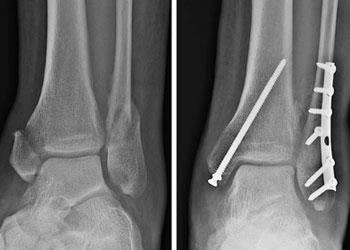
Ankle Fractures
An ankle fracture refers to a break in one or more bones forming the ankle joint, often disrupting joint alignment and stability. Prompt, expert management is essential
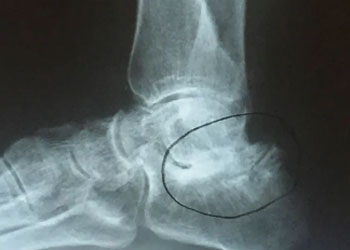
Subtalar Arthritis
Subtalar arthritis is a degenerative condition affecting the joint beneath the ankle, responsible for side-to-side motion of the foot. When this joint deteriorates
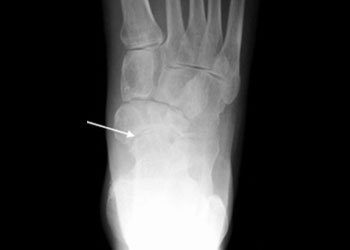
Talonavicular Arthritis
Talonavicular arthritis affects the key joint in the midfoot that links the hindfoot to the forefoot, playing a central role in foot flexibility and gait. Degeneration of
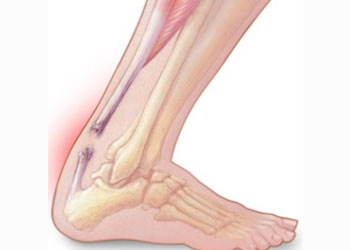
Achilles Tendon Rupture
An Achilles tendon rupture is a sudden tear of the strongest tendon in the body, connecting the calf muscles to the heel bone. This injury leads to immediate loss
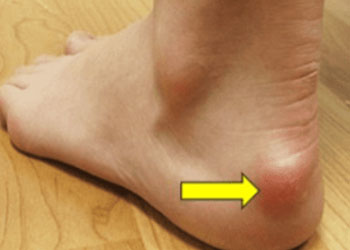
Haglund's Deformity
Haglund's deformity is a bony enlargement at the back of the heel, where the Achilles tendon attaches. This prominence can irritate surrounding soft tissues, leading
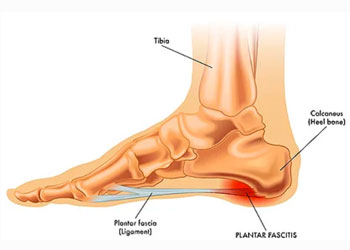
Plantar Fasciitis
Plantar fasciitis is a common cause of heel pain, resulting from inflammation or degeneration of the plantar fascia—a strong band of tissue supporting the
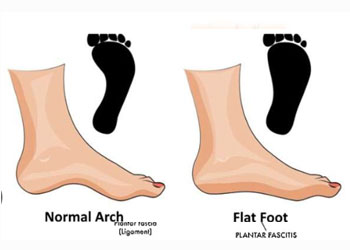
Flat Foot (Pes Planus)
Flat foot is a condition in which the natural arch of the foot collapses or is absent, leading to altered foot mechanics and uneven load distribution. While some
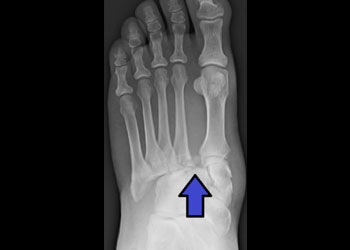
Lisfranc Injury
A Lisfranc injury involves damage to the midfoot joints and ligaments that stabilize the arch and connect the forefoot to the hindfoot. Often subtle yet potentially
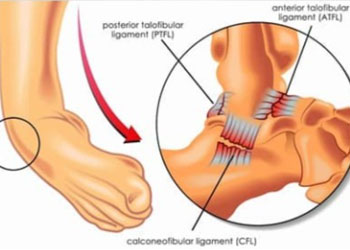
ATFL Ankle Sprain
An ATFL ankle sprain is the most common ligament injury of the ankle, occurring when the anterior talofibular ligament is overstretched or torn. Though often
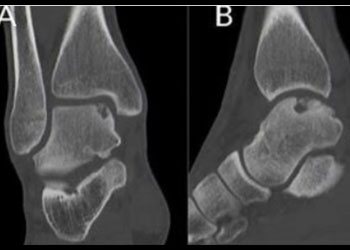
Osteochondral Defect (OCD Talus)
An osteochondral defect of the talus (OCD Talus) is a condition involving damage to the cartilage and underlying bone of the ankle joint, often following injury. This
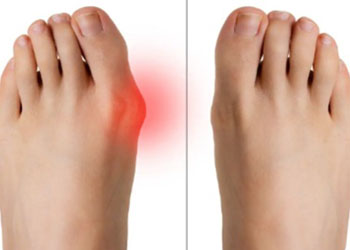
Hallux Valgus (Bunion)
Hallux valgus, commonly known as a bunion, is a progressive deformity of the big toe joint where the great toe drifts toward the lesser toes, creating a
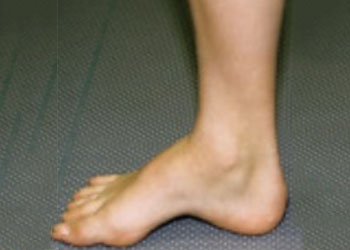
Cavus Foot (High Arch)
Cavus foot, or high-arched foot, is a condition in which the arch of the foot remains abnormally elevated, even during weight-bearing. This altered structure
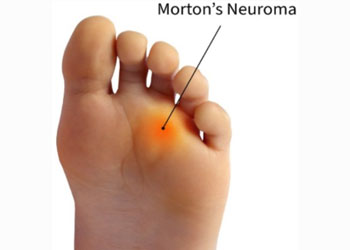
Morton’s Neuroma
Morton’s neuroma is a painful nerve condition affecting the forefoot, most commonly between the third and fourth toes. It results from thickening and irritation
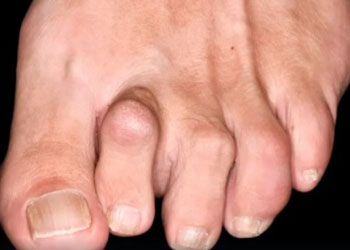
Hammer Toe
Hammer toe is a progressive deformity of the lesser toes in which the toe bends abnormally at the middle joint, giving it a hammer-like appearance. Over time, this
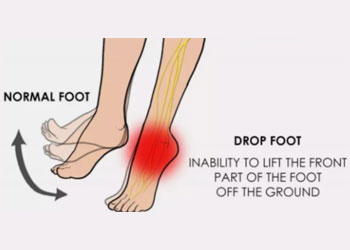
Foot Drop
Foot drop is a neuromuscular condition characterized by difficulty lifting the front part of the foot, leading to an altered walking pattern and increased risk of
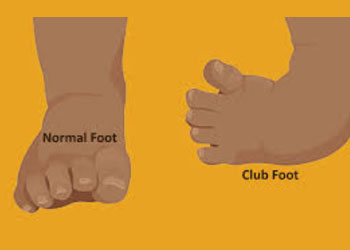
Club Foot (CTEV)
Club foot is a congenital foot deformity present at birth, in which one or both feet are twisted inward and downward. Though visually striking, the condition is highly
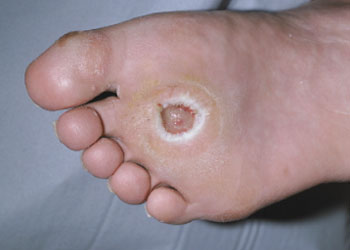
Diabetic Foot Care
Diabetic foot conditions represent a delicate intersection of circulation, nerve health, and biomechanics. When addressed early and expertly, limbs can be
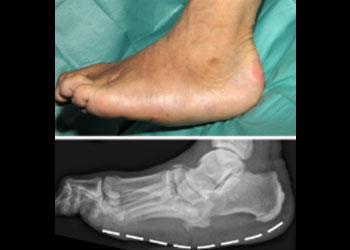
Charcot Arthropathy
Long-standing diabetes can affect the feet through nerve damage (neuropathy), reduced blood flow, and altered foot mechanics. Together, these changes
Hospitals Attachments
Visit me at multiple centers across Mumbai
Ortho Wellness Clinic
Owner and Chief Consultant
🕒 Monday to Saturday : 7.30 pm to 10 pm
📍 Parsik Nagar, Kalwa
Siddhivinayak Hospital
Consultant Orthopedic Surgeon
🕒 Monday to Saturday: 11.00 am to 1.00 pm
📍 Vartak Nagar, Thane(W)
Aarogyam Hospital
Consultant Orthopedic Surgeon
🕒 Monday to Saturday: 5.00 pm to 7.00 pm
📍 Kharegaon, Kalwa
Maruti Polyclinic
Consultant Orthopedic Surgeon
🕒 Monday and Friday: 4.00 pm to 5.00 pm
📍 Mulund (E)
Dausup Hospital
Consultant Orthopedic Surgeon
🕒 Tuesday / Thursday / Saturday 10.00 pm to 11.00 pm
📍 Mumbra
Horizon Prime Hospital
Consultant Orthopedic Surgeon
🕒 OPD: Monday and Wednesday 1-2 pm ( on appointment basis)
📍 Thane West
Metropol Hospital
Consultant Orthopedic Surgeon
🕒 OPD: Mon/Wed/Fri 2-3pm ( on appointment basis)
📍 Thane West
Need an Appointment?
Contact any of our hospitals to schedule your consultation with our experienced orthopedic team.
Call NowWhy Choose Dr. Vivek Maurya
A combination of specialized expertise, compassionate care, and proven results
Fellowship-Trained Foot
& Ankle Specialist
Advanced training dedicated to complex foot and ankle conditions with cutting-edge techniques.
Comprehensive Fracture
& Trauma Care
Expertise in managing simple to complex Orthopedic injuries with precision.
Conservative & Surgical
Expertise
Offering the right treatment approach, exploring all options before recommending surgery.
International Clinical
Exposure (USA)
Experience at leading medical institutions in the United States, bringing world-class care.
Ethical, Patient-
Centered Approach
Treatment decisions focused on long-term patient well-being, not just immediate fixes.